











A plant-rich eating pattern — not a miracle food
The diets that hold up over decades look alike. They are built from plants, use unsaturated fats, keep some fish and dairy, and stay...

Sleep 7–9 hours, regularly
Most adults need about seven to nine hours of sleep, on a schedule that barely moves from night to night. Duration gets the headlines....

Control blood pressure (often toward ~120 mm Hg systolic)
High blood pressure damages arteries for years before it causes a symptom. The SPRINT trial found that, in high-risk adults without diabetes, aiming for...

Geroscience: Treating Aging Biology Itself
Geroscience starts from a simple claim that is still unusual in medicine: many of the diseases that dominate later life are not independent failures....

Moderate Calories Without Malnutrition
Caloric restriction is the most replicated lifespan intervention in animals. Cut energy intake without starving the animal of vitamins, minerals, and protein, and yeast,...

Don’t Smoke, Limit Alcohol, and Avoid Opioid Dependence
In a study of more than 700,000 U.S. veterans, eight midlife habits predicted large differences in survival. Physical inactivity, smoking, and opioid use had...
Measuring Biological Age — and the First Steps Toward Cellular Reprogramming
Two linked discoveries are changing how aging is studied, and what it might mean to treat it. One is a better way to measure...
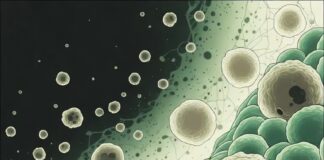
Senolytics and Clearing “Zombie” Cells
Aging tissues are not only worn out. Part of what they suffer is a form of pollution: a small population of cells that have...

Nutrient-sensing drugs: rapamycin combinations and metformin
Aging research has many promising leads and few that survive a hard test. The most consistent pharmacological lever in animals is still nutrient sensing:...

Treat relationships, purpose, and mental load like vital signs.
The people who keep a 50-year-old memory past 80 are not just lucky. They are unusually social, and their brains show it.
Northwestern’s SuperAging program...
- Advertisement -