








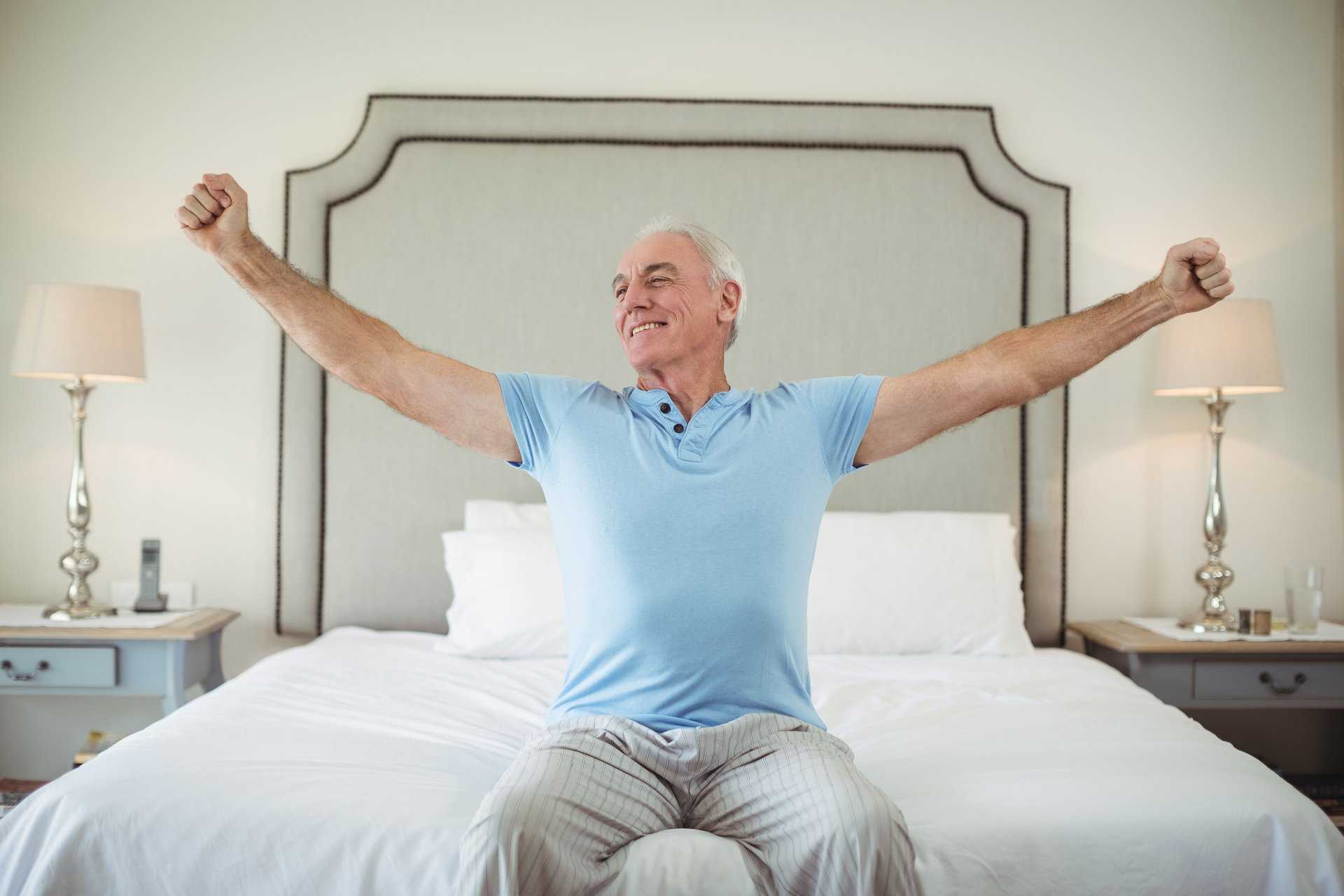
Most adults need about seven to nine hours of sleep, on a schedule that barely moves from night to night. Duration gets the headlines. Regularity may matter as much, and in some datasets more.
The American Academy of Sleep Medicine and the Sleep Research Society recommend seven or more hours a night on a regular basis for healthy adults. The National Sleep Foundation’s range for adults aged 26 to 64 is 7–9 hours; under six is not recommended. Individual need varies a little. Chronic short sleep does not.
What short and irregular sleep is tied to
Large prospective studies show a U-shaped link between sleep duration and death. In a meta-analysis of about 1.4 million people, short sleep was associated with a 12 percent higher risk of dying than the reference of roughly 7–8 hours. Long sleep looked worse still, about 30 percent higher, but long sleep is often a marker of illness, depression, or fragmented nights rather than a cause. The cleaner signal for behaviour is the short end: routinely under about six or seven hours.
Regularity is the newer finding, and it is hard to ignore. In the UK Biobank, a Sleep Regularity Index built from accelerometer data in more than 60,000 adults predicted all-cause mortality better than sleep duration. People in the most regular quintiles had roughly 20 to 48 percent lower mortality risk than the least regular, after adjustment for age, lifestyle, and health. A second UK Biobank analysis of nearly 89,000 people found the same pattern for cardiovascular and cancer death: risk was highest at the irregular extreme and flattened once regularity reached the middle of the range. Night-to-night swings in sleep midpoint and onset time track with higher all-cause and cardiovascular mortality in US accelerometer cohorts as well.
The intermediate biology matches the outcomes. Short sleep is associated with higher blood pressure, worse insulin sensitivity, and higher risk of type 2 diabetes and cardiovascular disease. Experimental sleep restriction raises glucose, sympathetic tone, and inflammatory markers. Insomnia with objectively short sleep (under six hours) carries a particularly high risk of hypertension and diabetes. Cognitive findings are less uniform, but irregular timing and chronic short or fragmented sleep are linked to faster decline and higher dementia risk in several cohorts. Sleep regularity reviews find the cardiovascular and mortality associations more consistent than the cognitive ones.
What sleep is actually for
Sleep is not downtime. During slow-wave sleep the brain’s glymphatic system clears soluble waste, including amyloid-beta and other metabolites that accumulate while you are awake. In animal work, interstitial space expands by about 60 percent in sleep, and clearance runs several times faster than in wakefulness. Fragmented nights, including those broken by apnoea or late alcohol, cut the time that system has to work.
The rest of the body uses the same window. Growth hormone pulses in deep sleep; muscle repair and immune resetting depend on it. Cortisol, appetite hormones, and insulin sensitivity follow a circadian schedule that only stays aligned if sleep and wake times are stable. Shift the schedule and the hormones drift with it.
Practices that move the needle
Gadgets are optional. These are not.
Fix the wake time. The circadian clock anchors more reliably to when you get up than to when you go to bed. A fixed wake time, including weekends, pulls bedtime earlier on its own and is the single highest-leverage habit for regularity. Protect the opportunity for 7–9 hours by counting backwards from that wake time.
Dark, cool, quiet. Core body temperature has to fall to initiate and hold sleep. A cool room (roughly 16–19°C for most people), blackout or an eye mask, and low noise remove the stimuli that fragment slow-wave sleep. Light at night, especially bright or blue-rich light, delays melatonin.
Morning light. Bright outdoor light within an hour of waking is the strongest daily signal that sets the clock. It advances a late rhythm, sharpens the day–night contrast, and makes the fixed wake time stick. Indoor lighting is a weak substitute.
No alcohol near bedtime. Alcohol shortens sleep onset and then fragments the second half of the night, suppressing REM and breaking the consolidated slow-wave stretches clearance depends on. Stopping several hours before bed is more useful than any supplement marketed for sleep.
Treat sleep apnoea if it is there. Obstructive sleep apnoea repeatedly drops oxygen and shatters deep sleep. It is common, underdiagnosed, and tightly tied to hypertension, atrial fibrillation, insulin resistance, and daytime crash. Continuous positive airway pressure and, where appropriate, weight loss reduce blood pressure and metabolic risk. Loud snoring, witnessed pauses, and unrefreshing sleep are reasons to get tested, not to buy a new tracker.
Trackers only count if behaviour changes
Wearables can show irregular bedtimes, short sleep, and possible apnoea patterns. They do not fix any of those. The failure mode is orthosomnia: chasing a score, lying awake worrying about the score, and sleeping worse. Use a device only as a feedback loop for the habits above — same wake time, darker cooler room, morning light, less late alcohol — and stop looking at the numbers if they raise anxiety.
Seven to nine hours, at the same time, in a room that lets you stay asleep, is the intervention. Everything else is optional.