


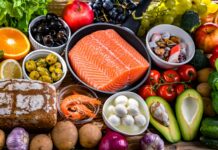


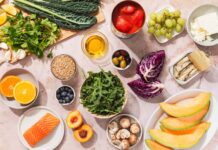


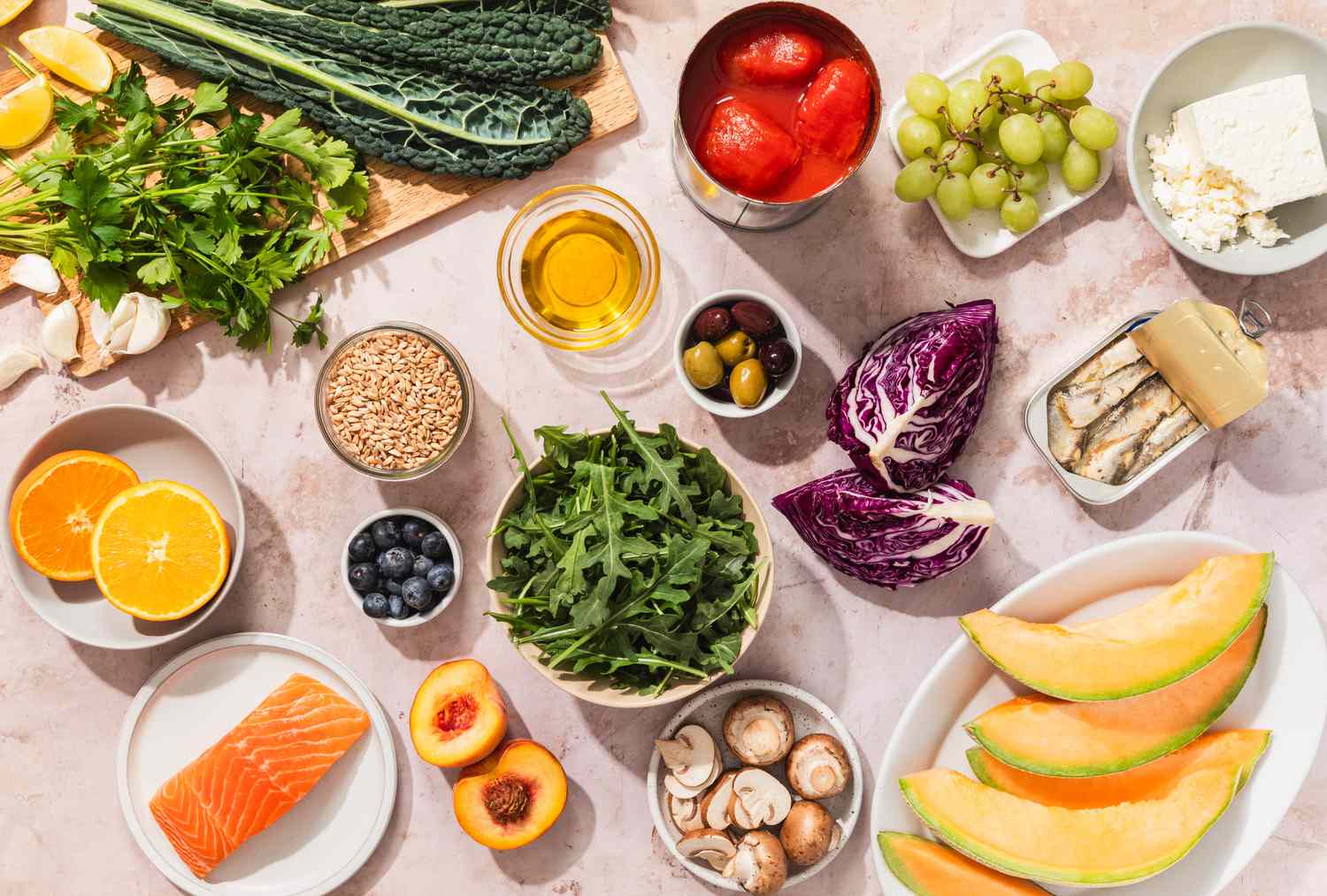
The diets that hold up over decades look alike. They are built from plants, use unsaturated fats, keep some fish and dairy, and stay light on ultra-processed food. No single ingredient carries the result.
That is the finding of a 30-year analysis from Harvard T.H. Chan School of Public Health, the University of Copenhagen, and the University of Montreal, published in Nature Medicine in 2025. Researchers followed 105,015 women and men in the Nurses’ Health Study and the Health Professionals Follow-Up Study, ages 39 to 69 at the start and free of major chronic disease. Diet was reported repeatedly and scored against eight patterns. Healthy aging meant reaching 70 free of major chronic disease and still cognitively, physically, and mentally well. Only 9,771 people — 9.3 percent — met that bar.
The Alternative Healthy Eating Index ranked first. People in the highest fifth of AHEI adherence had 86 percent higher odds of healthy aging at 70 than those in the lowest fifth (odds ratio 1.86), and more than double the odds at 75 (odds ratio 2.24). Mediterranean, DASH, MIND, and the Planetary Health Diet Index pointed the same way. A strict healthful plant-based score that excluded animal foods had the weakest link of the healthy patterns. The associations held after accounting for smoking, activity, and body weight. This is observational evidence from health professionals who reported their own diets, not a trial that proves a menu causes a longer healthy life. The pattern across scores is still hard to dismiss.
What the winning patterns share
AHEI, the Mediterranean diet, DASH, and MIND weight foods differently. AHEI was built to prevent chronic disease. DASH targets blood pressure. MIND borrows from both and emphasises berries, leafy greens, and fish for the brain. The overlap is the point.
They favour vegetables, fruit, whole grains, nuts, and legumes. They use unsaturated fats — olive oil, other plant oils, fish — rather than trans fats and a heavy load of red and processed meat. They keep sugar-sweetened drinks, refined grains, and excess sodium low. In this cohort, higher ultra-processed food intake tracked with worse aging. A high AHEI day, as the investigators described it, looks ordinary: several servings of vegetables and fruit, whole grains at most meals, nuts or beans daily, fish about weekly, and little sugary drink or processed meat.
Protein still matters. Muscle loss accelerates after midlife, and intakes that are too low make frailty more likely, not less. The stronger scores in this study were plant-rich, not plant-exclusive. Fish and modest dairy fit. Very low protein in someone already thin or weak can backfire: less muscle, more falls, slower recovery. Pattern beats any single “superfood.” Blueberries do not rescue a diet of refined starch and sugary drinks, and olive oil does not erase processed meat at every meal.
What to do with it
Build most of the plate from vegetables, fruit, whole grains, legumes, and nuts. Use olive oil and fish for fat. Keep sugary drinks and ultra-processed snacks as the exception. Hold protein steady — beans, dairy, fish, eggs, poultry, or meat in modest amounts — especially after 60. Change the week, not the headline food.